
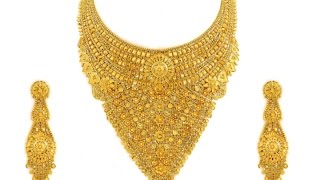
Numerous designs of Muslim wedding necklaces exist, ranging from contemporary and fashionable to classic styles. We'll explore these various designs. To start, the design featuring a crescent moon connector is stylish and appealing. It's a popular choice among Muslims for mangalsutra threads. Lately, these chain designs have been spotted in gold at jewelry shops. They pair excellently with silk sarees and conventional attire.
Typical muslim wedding attire
In Muslim weddings, the bride wears several types of jewelry, including bangles, necklaces, and earrings. She must also wear a nose ring on the right side of her face before marriage and a nose pin afterward. While it is not obligatory to wear head covering, some brides choose to do so. Another traditional wedding accessory is a triangular ornament known as Jhoomar. It is a modified version of a Mang Tika that is tied to the bride's hairstyle on the left side of her forehead.
The wedding attire for a Muslim bride must be compliant with the rules set forth by the Holy Quran. A woman should not wear revealing clothes, and her face must be covered. A typical Muslim bridal outfit will include a sari or a salwar kameez. Typically, this dress has a modest neckline and a matching dupatta. Traditionally, Muslim bridal outfits are green and feature elaborate zari embroidery and dead-work.
Typical Muslim weddings also feature a ritual called Manjha. This ceremony marks the beginning of a couple's engagement and marriage. During this ceremony, the bride and groom sit side-by-side, a mirror held between them. The ceremony usually includes a banquet that includes traditional Muslim delicacies. The fourth day of the wedding, the bride and groom's parents visit each other and offer a lavish lunch to the newlyweds. During this ceremony, the bride and groom's parents exchange a Holy Quran that is used to bless the couple's new life as wife.
The traditional Muslim wedding has many ancient and beautiful traditions that have adapted to modern tendencies. While Westerners may believe that women are powerless in the Islamic world, Islamic law teaches that women and men have equal rights and duties.
Styles of muslim wedding chains
One of the most beautiful pieces of Muslim wedding jewelry is the gorgeous bracelet. Many brides are opting to forgo the traditional gold bangles in favor of a sleek and minimalist style. Whether you're wearing a traditional dress or a contemporary one, a sleek, simple bracelet will make a great statement.
Muslim wedding dresses can be as simple as a plain line dress to as extravagant as a long-sleeved ball gown. In addition to the wedding dress, you can opt for elaborate jewellery pieces, including pearls and polki. You can also add romantic makeup to complete the look.
Muslim weddings are formal affairs and begin with the Magni function, a festive gathering of both the bride and groom's families. During this time, they exchange gifts and rings. Similar to Hindu Haldi, the Muslim ceremony involves the smearing of the bride with turmeric paste by her family and friends. This gives her a glowing, bridal glow. The wedding celebration is held at the home of the groom, and the bride's family is also present to greet her.
Muslim weddings are beautiful and colorful, and are a deeply spiritual occasion. While Westerners may think wives have no power in the Islamic world, women are equal and have equal rights. The wedding ceremony is a celebration that can be difficult and stressful. To learn more about Muslim wedding traditions, check out our Wedding Tradition Series.
Muslim wedding dresses are available in a variety of styles. These include modern, traditional, and even vintage. In addition, the bridal sharara is a great choice if you'd like a more contemporary style. This style includes a sharara bottom with a short tunic. The bottoms are a brocade fabric. The fabric used is adorned with zari and cut-work border.
Styles of sharara
Sharara is one of the most popular dresses in the Muslim wedding ceremony. It is a flowy outfit and is often worn by women. Unlike lehengas, which are cumbersome and heavy, shararas are light and comfortable. Often worn by modern women, shararas have regained their popularity.
Traditional Sharara wedding dresses come in a variety of styles, and a contrasting gharara will look beautiful with a white or pale blue Kurti. This ensemble is often used by women who want to blend tradition with elegance. A contrasting gharara may feature a white kurti with bright magenta pants and gold gota work on the top. A white sharara may also feature embellishments made of silver or gold.
The Sharara is often paired with a statement neck piece. As with any piece of jewellery, its style is important. Traditionally, the sharara is worn to symbolize royalty. Choker necklaces are the perfect complement to this look, and can be made from different materials and designs. Chokers may include pearls, kundan work, or other materials. Ultimately, the jewellery should be striking, but subtle enough to not overwhelm the rest of the look.
Sharara dresses are one of the most popular styles of dress in a Muslim wedding. They combine ease with flair, and can be worn at a party or a temple wedding. Choosing a sharara with a matching mang tika can be a great way to dress up for a wedding.
Sharara styles include long and short styles. One style is a traditional one with a short tunic and long shariara bottoms. This sharara features floral embellishments along the bottoms of the tunic. The dupatta is cut work and has an embellished border. It can be worn with a plain or heavily embellished skirt.
Styles of Iman zamin
The iman zamin is a piece of jewelry that Muslim women wear on their wedding day. It is usually made of gold or silver and is tied around the bride's arm. Many brides forgo the traditional gold bangles and choose sleek silver or gold-plated styles.
The imam-zamin ceremony is the first phase of the Muslim wedding ceremony. It begins with the bride's mother tying a coin on her hand. This ceremony is followed by the Mangni ceremony, during which the bride and groom exchange rings. The bride's family and friends then welcome her to her new life as a wife and give her gifts and ornamental jewelry.
In India and Pakistan, this pre-wedding ritual is called Imam Zamin. This ceremony is a symbolic way for the groom's family to accept the bride as their wife. The groom's parents visit the bride's house and bring gifts, including silver coins wrapped in silk. The groom's family will give the bride a necklace or a silk scarf, and other gifts.
The wedding reception is an opportunity for the bride and groom to relax and unwind. It is also a time when the bride and groom are introduced to their extended family and community. The bride is treated like royalty, and her family lavishes her with gifts and blessings. After the wedding, the couple will attend the Walimah ceremony. This is a public declaration of marriage and is performed in front of family, friends, and community. The bride and groom will then go to the bride's family to have a meal together.
Styles of galaband
When it comes to Muslim wedding chain designs, there are several different styles that you can choose from. These include simple line wedding gowns to more elaborate ball gowns. They may be embellished with thread work, zardozi embroidery, or both. You can also select a shawl made of wine velvet to go with the gown. These are great options for creating a memorable wedding ceremony. Many Muslim brides also choose to incorporate their unique tradition into their wedding ceremony.
Another great choice for Muslim wedding jewelry is a gorgeous, slim bracelet. This style is also popular among brides who want to keep their look minimal. While gold bangles have been traditionally used in Muslim weddings, many are now eschewing the look in favor of a more modern bracelet.
Muslim weddings are full of fun rituals. The groom's family pays Mehr, which is a sum of money, to the bride's family. She then accepts it to commemorate their marriage. After the ceremony, the couple has a celebration called the Walima. This celebration is similar to a Shaadi, but the family of the groom's side of the marriage hosts the guests.
Muslim wedding dresses are known for their unusual colour combinations. The gowns are typically ankle-length and have churidar bottoms. The show-stopping detail of these dresses is the dupatta, which is made of net fabric. The lehenga is adorned with zardozi embroidery, which is reminiscent of Mughal designs. In addition to the veil, the bride's jewelry is often gold and stone.