Tailoring has long been hailed as an art form capable of transforming fabric into a masterpiece. When it comes to weddings, a well-tailored suit acts as the crown jewel of menswear, epitomizing sophistication and individuality. As the demand for unique and personalized clothing rises, tailoring finds itself at the forefront of the wedding attire industry, defining trends one stitch at a time.
Building the Foundation: Fit and Fabric
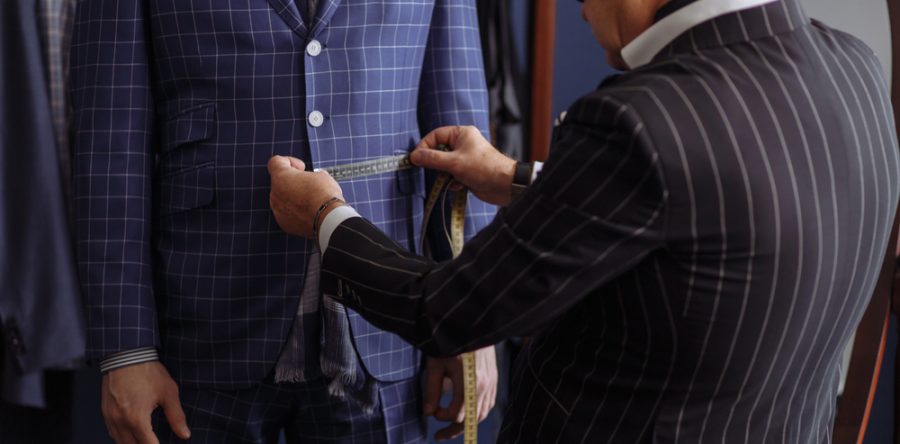
A perfectly tailored suit begins with an understanding of fit and fabric choice. The fit of a wedding suit dictates its ability to highlight a groom's physique. Opting for a less-is-more approach, a tailored suit should skim the body without being overly tight or loose. Finding a skilled tailor who understands the nuances of your physique is akin to finding gold dust in an industry rife with mediocrity.
The fabric choice can make or break a wedding suit. Timeless and elegant, wool holds its position as the fabric of choice for wedding suits, offering both comfort and breathability. While unconventional materials like linen or velvet might add a touch of flair, wool provides the longevity that any wedding suit deserves. Men's linen suits for weddings offer a breathable and stylish alternative for grooms seeking comfort along with a broader spectrum of color options, fitting perfectly into a summer or beach wedding setting. A close eye should be kept on the thread count as well—the higher, the finer and more luxurious the fabric will feel.
In addition to fitness and fabric, attention must be given to the lining of the suit. A silky, high-quality lining not only makes for a more comfortable wear but adding an unexpected color or pattern can make the suit uniquely yours. This interior detail, although often overlooked, significantly enhances the wearing experience, giving an added layer of finesse each time the suit is donned.
The Personal Touch: Colors and Patterns
Measuring beyond the fabric, color selection plays a vital role in wedding suit tailoring. While formal affairs traditionally call for blacks and grays, more adventurous grooms are favoring shades of navy, deep greens, or even bold burgundies. Patterns, although risky, can imbue a sense of individuality. A subtle pinstripe or houndstooth may replace the traditional solid color, offering a sophisticated edge.
When selecting colors and patterns, consideration of the wedding theme and the bride's attire brings cohesion, subtly tying the aesthetic threads of the day together, and letting the groom shine without overshadowing the bride's grandeur.
Colors and patterns don't just stop at the suit. Accessories such as ties and pocket squares are an opportunity to either complement or provide tasteful contrast to the suit's color scheme. Opting for muted shades ensures the suit remains the focal point while integrating more vibrant patterns might bring a playful sophistication, depending on the couple’s overall theme and personal touch.
Embracing the Craftsmanship
The artistry of tailoring is exhibited in meticulous craftsmanship, from picking linings that complement the shell fabric to choosing lapel shapes that align with the groom's personal style. Hidden details like working buttonholes and personalized embroidery elevate a suit from ordinary to exceptional. These intricate decisions showcase the beauty of bespoke tailoring.
Accentuating individuality while adhering to tradition, the choice of lapels is important. Peak lapels offer a formal, assertive look, appealing to gentlemen who wish to command attention. A notch lapel provides a more classic, understated appearance. Customization is where the suit shines. From embroidered initials on cuffs to secret pocket squares, personal touches add depth.
Beyond physical embellishments, the craftsmanship is also revealed through a discerning choice of thread color and stitching style. The right combination can transform a seam from merely functional to an exquisite detail. Whether it's a contrasting thread adding an unexpected pop against dark fabric or subtle, harmonious hues that blend seamlessly, these artistic choices contribute to the elegance and exclusivity of the custom-made suit.
The Role of Accessories
A suit's accessories can either harmonize or detract from the full ensemble. Choosing classic ties, pocket squares, and cufflinks delivers a strong finishing touch to a tailored suit. Accessories present the chance to introduce personal flair without compromising on formality or elegance.
Footwear requires just as much deliberation. Shoes should mirror the suit's level of sophistication and be in harmony with the overall color palette. Traditional Oxford shoes, frequently selected for their classic appeal, remain a steadfast choice. However, weddings welcome more playful choices, provided they do not eclipse the timeless essence of a tailored suit.
Attention to scent can also add a memorable nuance to the ensemble. Selecting a subtle, sophisticated cologne turns a well-dressed groom into the complete package. While unseen, a chosen fragrance complements the aesthetic, adding an invisible cloak of refinement that lingers in memory long after the vows have been exchanged, knitting together the senses in a symphony of elegance.
Conclusion
The beauty of a tailored suit for weddings lies in its ability to capture and communicate personal style, craftsmanship, and timelessness. A journey from raw fabric to bespoke art, the tailored suit reflects both an embodiment of tradition and a statement of individuality. Long after the wedding day has concluded, the perfectly tailored suit stands as a testament to the art it represents, immortalizing moments with impeccable presence and sartorial grace.