
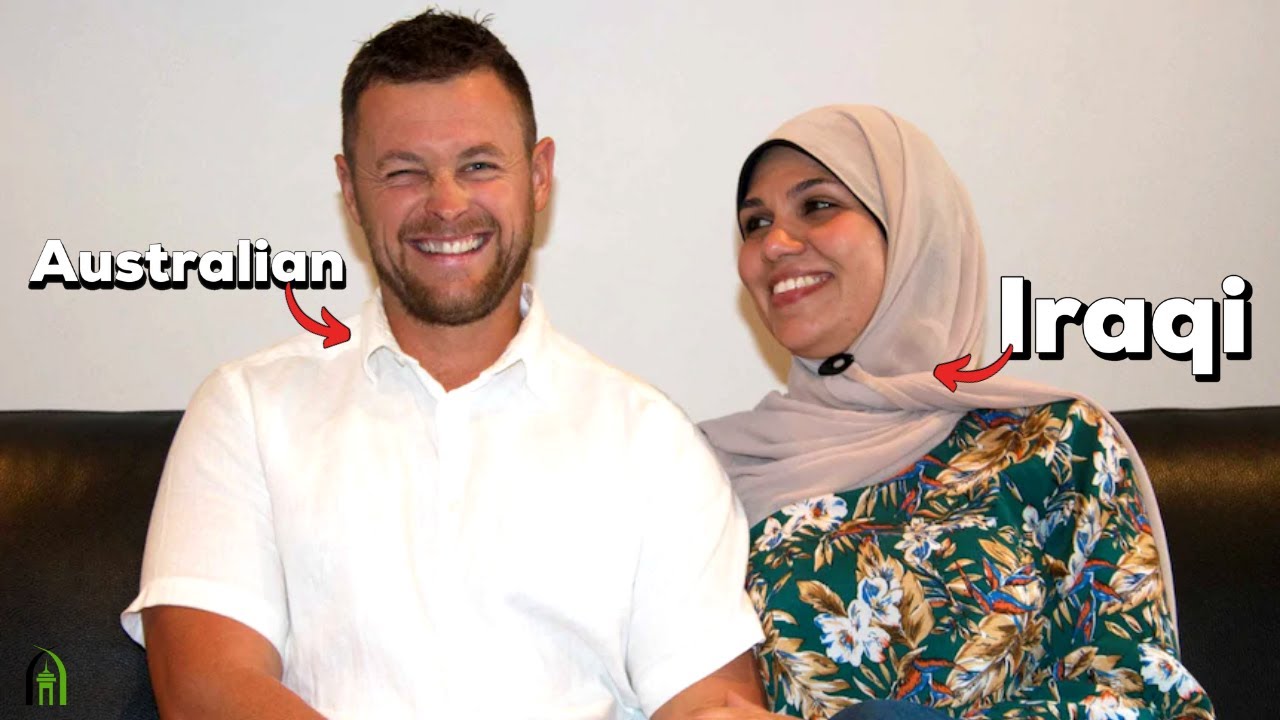
In Australia, should you and your partner decide to marry following Islamic traditions, you can have your ceremony officiated by a Muslim Marriage Celebrant. These celebrants are granted authority by the Australian Government to conduct such marriages, ensuring they are officially recognized and recorded by the relevant state department.
However, there is no parallel family law system for Muslims in Australia. This can have a negative impact on freedom of choice for Muslim migrants who come here from countries where laws about gender equality and family matters are different to those in Australia.
Getting Married
The religion of Islam is a powerful force in Australian society. It is practised by a wide range of individuals, both in Australia and overseas, including those born to Muslim families, and those who convert to Islam as an individual choice.
The majority of Muslims in Australia are Sunni Muslims, but Shia and Ismaili Muslims are also active in the country. There are also a number of mystical orders and ultra-conservative sects within Sunni Islam, such as the Hanbali school.
Although Australia is a secular society, its Islamic population is culturally diverse. It includes a variety of ancestry groups, language groups, cultures, theological and religio-legal denominations, sects, classes and political orientations.
Despite the diversity, most Muslims in Australia adhere to the same core beliefs and practice. They are committed to following the Qur'an and to observing Islamic laws and customs, both when they are living here and when they travel abroad.
Marriage is an important part of the religion and there are many different aspects to a good Islamic marriage ceremony. It is an opportunity for couples to express their love, commitment and dedication to each other. It is also a time for the couple to make a formal commitment to one another in accordance with Islamic law and practice, and to develop a personalized Nikkah contract that they will work through together throughout their lives.
In Australia, both the bride and groom must consent to the marriage – both verbally and in writing. This is often done in the presence of their Walis, male guardians who are trained to represent the interests of both parties.
The marriage can be either civil or religious, and both must sign a Marriage Certificate to officially record the ceremony. It is the responsibility of the authorised celebrant to ensure that the ceremony is legally valid, and in accordance with both Islamic and Australian laws.
If there are any problems with the wedding, both parties will need to seek advice from a qualified and experienced family lawyer before taking legal action. This will help the couple to understand their options and what they can expect to happen in the event of a divorce.
Preparing for the Ceremony
There are a few things that you will need to do in order to get ready for your wedding. First, you will need to find a place where the ceremony will take place. You can do this by asking a friend or family member to help you find somewhere that is appropriate. Then, you will need to get a celebrant that is registered in Australia to perform the ceremony.
Another thing that you will need to do is make sure that you and your partner are both in good health. This is especially true if your partner has diabetes or another condition that can affect their health. If you are unsure whether your partner is in good health, you can always ask your doctor for advice.
You will also need to make sure that you have enough money to pay for the costs of the wedding. This can include a wedding gown, rings, flowers and gifts for your guests. If you have any questions about the finances of your wedding, you can always ask your celebrant for help.
Lastly, you will need to make sure that you have enough money for the travel and accommodation of your guests. This is especially important if you are planning on inviting people from overseas to your wedding.
Once you have done this, you will need to book a date for the ceremony. This can be done by calling our office or by using the website.
Before the ceremony starts, you will need to make sure that you are both wearing the correct clothing for the occasion. You should wear something that is comfortable and that doesn't restrict your movements during the ceremony. You will also need to ensure that you have enough makeup on so that you look fresh and beautiful for the occasion.
If you have children, they will also need to be present for the ceremony. This is because they will need to give their consent for the marriage, and it is against Islamic law to enter into a marriage that does not have the consent of both parties.
During the Ceremony
Muslim weddings involve certain traditions that are a matter of cultural practice. However, all these customs must be carried out in accordance with Islamic law.
Marriages are a serious institution in Islam, so it is very important to make sure that all the wedding arrangements are done correctly. It is also very important to ensure that the right people are in attendance at all times.
Traditionally, marriage ceremonies were performed by Islamic religious leaders called imams. These are men who have a deep understanding of the religion and its legal provisions. They have performed marriage ceremonies since the time of the Prophet Muhammad and his four caliphs.
After the ceremony, a large banquet is held to announce that the couple has been married and are entitled to each other. This is known as a Walima and can last for many hours.
At the end of the ceremony, the bride and groom both have to sign a contract, called a nikah. This contract outlines all the duties and responsibilities that both parties are responsible for during their relationship.
The nikah takes place in the presence of two male witnesses, who attest to the fact that both parties say “I do” or “Qubool.” This is a requirement for a Muslim marriage.
For some Muslims, the nikah can be arranged by a religious leader or missionary who is affiliated with the Jamaat authority in the area. Alternatively, the couple can arrange for their own nikah to be officiated by a local imam or imam of their choice.
Some couples also choose to have the nikah ceremony at home. This can be a very special day for the couple and will have a very personal feel to it. The bride may even have her hair braided before the ceremony, and the groom can be given a turban as part of his outfit.
A Muslim wedding is a beautiful and meaningful occasion, and it is always a happy one. The marriage is a life-changing event for the couple and their families.
The ceremony is usually accompanied by music and dance. Some of the traditional dances performed include the dhun and the zaffe, which can be danced in a circle or waltzed.
After the Ceremony
A Muslim wedding is one of the most important events in a person’s life, and it has many traditions associated with it. Typically, the ceremony lasts three days.
The Muslim marriage ritual, or Nikah, is a legal contract that binds two people together in a relationship for life. This is done to establish a commitment to each other for the sake of Allah, and to guarantee the health and well-being of their families.
Before a Nikah can be performed, the couple must have mutual consent. This means that the couple must agree to the terms of the Nikah in person or by writing them down before the ceremony. The couple also must have witnesses who can testify to the fact that they agree to be married.
After the Nikah, there’s usually a reception (walimah) that celebrates the marriage. This is an Islamic tradition that requires the husband to host a party following the ceremony to show his appreciation to his wife and her family.
Guests are expected to dress modestly during the ceremony and at the reception. This includes avoiding showing bare arms and legs and covering their heads.
The bride and groom are given a gift (maher) to symbolically welcome them into their new family. This can be anything from a gift of money to a wedding ring.
There’s no specific amount of money required for a maher, but the bride and groom should discuss this with their families before the ceremony. They might want to include an agreement that the maher will be a source of support, or that it will not be used to purchase a house.
Another requirement of the Nikah is that it must be performed by a Muslim religious leader, known as an imam. This can be a man or a woman, but most Muslim communities prefer men.
During the Nikah, the couple will be asked to say “I do” or “Qubool.” This is the formal declaration that they are going to marry each other. After the wedding, they will receive a blessing from their officiant.
Islam takes marriage very seriously, and it presents a complete guidance for this major life event. There are specific instructions on how to choose a mate, and what to do when marital problems arise. It’s a fascinating system that provides viable structure, clear responsibilities and goals to ensure that all members of a marriage stay together through thick and thin.