
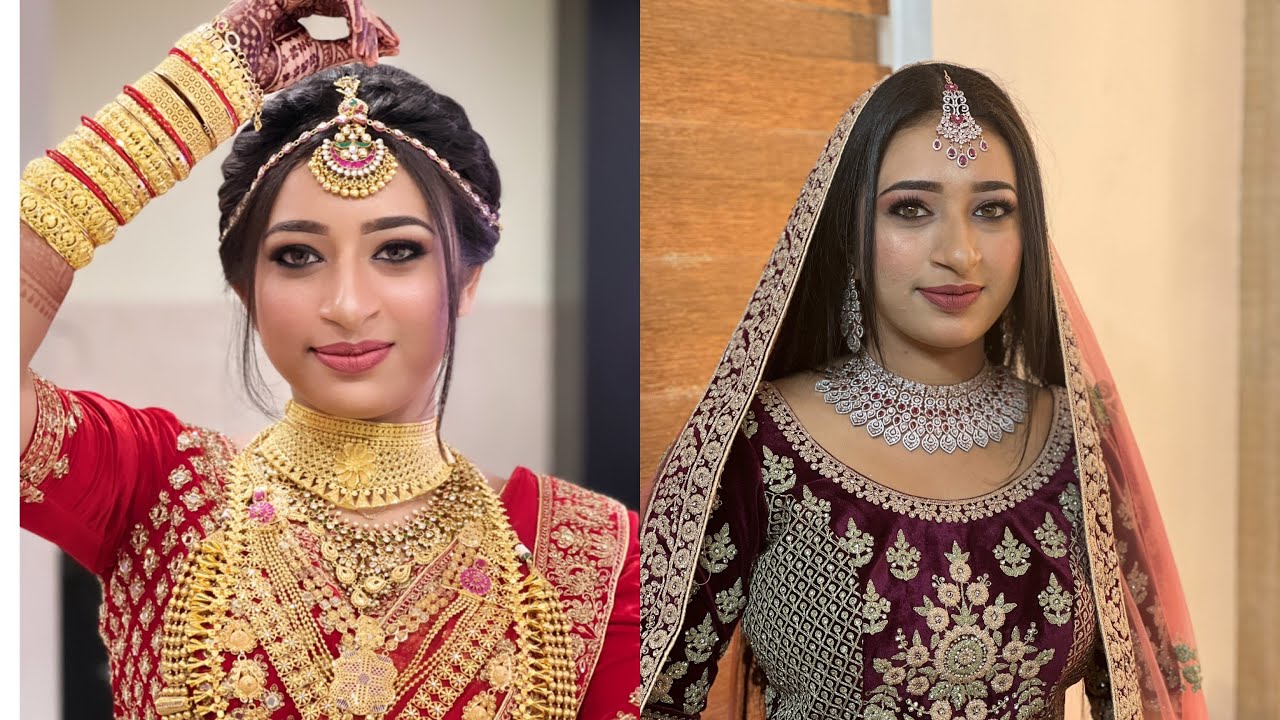
If you're considering donning a traditional Hindu wedding lehenga, you might be curious about the customary lehenga worn by brides at Muslim weddings. This piece will discuss the common colors, designs, and materials found in wedding lehengas.
Typical muslim wedding lehenga
While most Muslim brides choose to wear white wedding lehenga, some brides also opt to choose different colors. Some brides choose to wear bright colors because they look very attractive and modern. Some of these lehengas are decorated with gold, pearls, and beats. These are great options for brides who want to stand out from the crowd and make their special day extra special.
Muslim wedding lehengas are traditionally paired with sarees and hijabs. In addition to the traditional white wedding lehenga, some brides wear brightly colored dresses or muted colors that have minimal embellishment. Another option for brides who want a unique look is to wear sharara bottoms with short kameez. These lehengas can have gold zari borders and minimal embroidery.
Muslim brides typically wear bangles and necklaces. They are also required to wear nose rings and nose pins. Before marriage, Muslim women must wear a nose ring on the right side of their nose. Even after marriage, the bride must wear a nose pin in the right nostril. The bride will also wear a triangular necklace called a Jhoomar. It is a modified version of a Mang Tika and is often attached to the bride's left side hairstyle.
A typical Muslim wedding lehenga is typically made of satin or silk and features a lace or embroidered headpiece. The dress will usually be white or a light color with long sleeves and an ankle-length hemline. The bride may also choose a veil that covers her head.
A Muslim wedding lehenga for bride is often accompanied by a hijab, or head scarf. This is an important part of the wedding outfit. It protects the bride's face and helps keep her comfortable. The veil can be a colorful or plain design.
A traditional Muslim wedding lehenga is beautiful, and can be simple or ornate. It is also easy to wear and can be paired with a plain chudidaar or a colorful stole to enhance the look. However, it is important to remember that Muslim wedding lehengas aren't limited to the Muslim community. In fact, many Hindu brides also wear sarees or skirt style lehengas to their ceremonies. The fusion of the two cultures is a refreshing change.
Styles
There are many styles to choose from for the Muslim wedding lehenga for the bride. These styles can range from simple line dresses to full blown ball gowns. They can also include accessories. Some styles have multiple layers and full sleeves. The bride's lehenga will be the center of attention on her wedding day, so she will want to choose carefully.
The light shade of pink is the traditional choice for Muslim brides, and it makes them look celestial and serene. This light shade is accentuated with subtle floral embellishments, which add an enchanting element. The light pink and gold combination is a traditional look, and it can be made up of embroidered or printed motifs.
The heavily embroidered sharara is another classic option. The gown is made of brocade fabric and features traditional zari embroidery. Its bottom is made of a contrasting fabric, which makes it look more like palazzo pants. A heavily embroidered anarkali with contrasting dupatta is another option.
The veil is another traditional Muslim wedding accessory. It covers the entire face and shoulders. It may also come with an embellished head piece. A headpiece made of lace may also be worn. Muslim wedding lehengas are designed to be elegant and modest.
If the Muslim bride is not wearing a veil, she should choose a light-colored lehenga. This style of dress should blend in with the wedding venue's theme. Some Muslim brides choose white, because white symbolizes purity, goodness, and virginity. It is also considered the color of perfection.
Colours
Colours of a Muslim wedding lehenga for bride should be reminiscent of the bride's culture and faith. For example, green is considered auspicious in Islam. The colour is available in different shades, so you can play around with it. Green is also known to be a symbol of purity and abstinence, so it is a good choice for a Muslim bride.
Another choice for a bride is the traditional white colour. It is both elegant and decent, and is a common color for Muslim weddings. It is also used for nikkah ceremonies, where white outfits are popular. Many brides in the West choose white with a red dupatta. Mono-coloured flowing maxi gowns are also quite fashionable, and look amazing when worn with a long jacket. They convey a modern yet traditional approach to life.
Another colour for a Muslim wedding lehenga for bride is blush pink. This color is quite subtle and can be worn with diamond jewellery. Instead of the usual red-and-gold bridal dress, this colour has a warm hue and gold embroidery. This choice is less traditional than the usual red and gold bridal dresses, but still is very beautiful.
Choosing a colour that blends with the colour of the wedding is very important for an Islamic wedding. The ideal colour for an Islamic wedding lehenga is red, but other colours may be used as well. Red is a very common colour for a Muslim wedding lehenga, and the traditional red color is the preferred choice for Indian women. However, the colour choice for a Muslim wedding lehenga depends on the customs and traditions of the bride's culture and religion.
Muslim wedding lehengas are typically brighter than the traditional red or yellow ones. In addition, some brides are experimenting with green versions. Choosing the right colours for your wedding is crucial, and it is important to understand the culture and traditions of the wedding.
Muslim wedding lehengas are long gowns. The hemline reaches to the ankle. A churidar or sharara is worn underneath the dress. The dupatta is usually made of net fabric and is heavily embellished. The colours of a Muslim wedding lehenga for bride should be light and elegant. The colour of the wedding lehenga should be matching to the style of the wedding venue.
Fabric
A Muslim wedding has many traditions and rituals. A Muslim bride typically wears a garara (a fabric made from kinkhab, a silk-like material that drapes over the head and over the body) to the wedding. She also wears a bridal lehenga. A Muslim wedding has a number of rituals, including salatul istikhara (a prayer for guidance from God).
The most traditional color for a Muslim wedding gown is beige, which is traditionally the bride's color. However, some brides choose to wear a different color on their wedding day. For example, a peach-toned anarkali wedding gown is traditionally worn with sharara bottoms. It is embellished with gold floral stones.
Another popular choice for a bride's lehenga is a jacket lehenga. These have a floor-length jacket and a flared skirt. They come in a variety of fabrics and can be appropriate for many different occasions and seasons. They are also modest enough for a Muslim wedding, with little to no exposed skin.
While a Muslim wedding does not mandate a bride to wear red, a blush pink lehenga has a subtle appeal. A blush pink lehenga with a white top and a matte gold dupatta has a softer appeal. A blush pink lehenga is a welcome departure from the stereotypical red and gold bridal dress.