
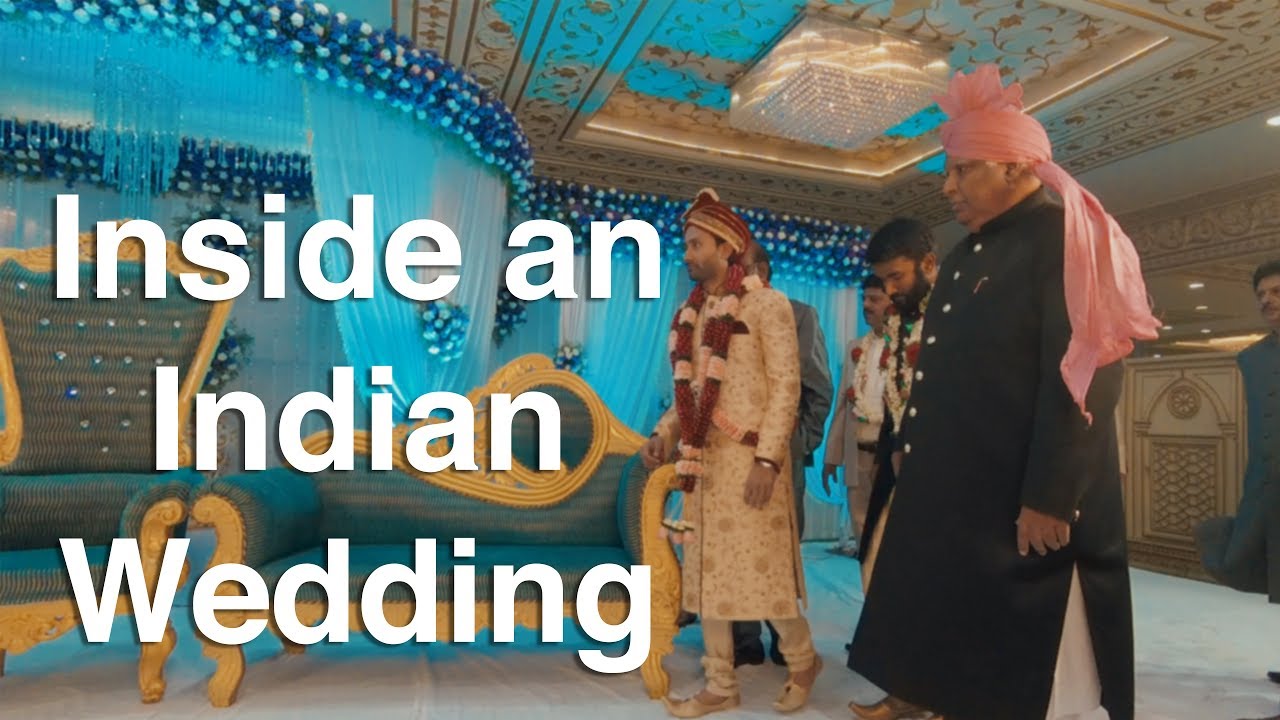
If you're either organizing a Muslim wedding or are set to attend one, it's important to familiarize yourself with several key aspects. Understanding the various forms of Muslim weddings, the distinct kinds of celebrations associated with these weddings, and what typically happens at these celebrations will equip you with the necessary knowledge to either plan your event appropriately or attend with confidence.
Mangni
During the Muslim Mangni ceremony, bride and groom exchange rings. Their families also shower them with gifts. They are treated like royalty at the reception party. This is a fun filled night filled with dancing and fun. The reception party is also a chance for the couple to socialize with their friends and family.
The groom's family visits the bride's house to welcome them. The bride is given gifts, clothes and ornaments by the family. It is also expected for the bride to wear a mangalsutra or a necklace.
The groom's family usually presents the bride with a gold ring and an ornament. The bride may also receive a cash gift. The groom may also receive gifts from his family and friends.
The newly married couple gives gifts to the other newly married couples. Kids from the bride's family give gifts and sweets to the children of the groom. They also offer milk to the newly married couple.
The groom's family offers Mehr to the bride to seek her permission for the marriage. The family also applies a paste made of rose water and turmeric on both the bride and the groom. The groom is escorted by a male friend. The groom also wears formals. The bridegrooms wear expensive suits and ties.
The bride and groom are then escorted to their marital home. They are also showered with prayers by the elders. The couple is also given sweets and a packet of assorted dry fruits.
The bride and groom are then offered a meal. A sumptuous meal is prepared for the groom's family. The groom is also offered dates and milk by the elders. The groom and the bride are then showered again with prayers before they leave.
Nikah misyar
Having a Nikah Misyar at a Muslim wedding is a controversial issue in the Arab world. While many people claim that it is haram, many also claim it is legal and permissible.
The Nikah misyar is also known as the Nikah of convenience. This is a marriage that gives a woman some of her rights, but not all. The agreement between the man and the woman waives most of her rights as a Muslim woman.
It is a good marriage for a cash-strapped man. The man does not have to spend money on the wife and the wife is also exempt from spending money on her children.
The BBC aired a documentary about misyar marriage. The documentary interviewed several Muslim scholars and young Muslims about misyar. It also interviewed the women involved in a misyar marriage.
There is a lot to understand about misyar. It is not only a no-strings marriage, but it also meets the minimum requirements for a legal marriage. The woman gives up several rights, such as her right to live together and have children. The man pays for her expenses, but she is not obligated to pay for them.
The woman is given a silk scarf with a coin tied around it. The silk scarf symbolizes the bride entering the family. A male representative may stand in for the female guest, but usually it is a close friend. The ceremony is often accompanied by a ring exchange.
While the majority of women would not consider misyar as a marriage option, there are some who have opted for it. They are drawn to the concept because it gives them freedom. They do not have to give up house duties, and they can continue their jobs. In some cases, the man will also pay for the woman's livelihood.
Unregistered
Among sexes abound, it's no secret that men are men and women are women. The untethered ladies are no different from the men in a canoe, er, a boat. Aside from their phsyical duties, women are often expected to do the housekeeping, e.g., do the dishes and mow the lawn, among other tasks. There are so many to choose from, that it's no wonder that the number of women per capita has tripled since the turn of the century. Despite the influx of women, the average sex ratio remains unchanged at a dismal 50%, with men still snatching the lion's share of the love.
Henna parties
Among the most common wedding traditions in the middle east and south Asia are henna parties. The event consists of a number of religious and social elements based on Islamic teachings.
The party is generally held the night before the wedding. Women of the bride's family traditionally host the event.
The party is held in a bride's home or in a groom's home. Guests are typically women of the bride's family and friends. They are welcomed with food and sweets. They are then given the chance to dance and enjoy the party.
The ceremony is performed by the Imam. The couple sign a contract before they enter the wedding hall. The Imam then reads the Qur'an ayahs. The bride and groom are then led through the hall and into the dining room for a meal.
The bride's mother-in-law brings out a piece of silk cloth. The bride is then escorted down the aisle. The Imam then reads the ayahs from the Qur'an and the couple makes their vows.
Henna is applied to the bride's palm and feet. It is also applied to the bride's head. The color of the henna is typically dark. This is believed to bring good luck to the couple.
In some parts of the world, the bride's family will host a mehndi party. This is a celebration for the bride, and often includes gifts for her. She may wear a new gown. She may also have bridesmaids who wear a particular color.
The bride's hands are decorated with elaborate henna designs. The designs are believed to bring peace and bliss to the couple.
In most Muslim weddings, henna is applied before the wedding. The bride wears an evening gown as she sits on a chair.
'Religious-only'
Getting married in a Muslim marriage ceremony is a bit different than in a Christian one. For one, Islam allows a man and a woman to meet before the marriage takes place. This is called the Nikah (or katb Al kitab) and it is the only mandatory requirement to be married in Islam.
Several other events are also included in a Muslim wedding. These include a wedding reception called the Walima, which is hosted by the groom's family. This is often held on the same day as the Nikah.
The Quran is often read during a Muslim wedding ceremony. Another ceremony is the Tolbe, which is a prewedding prayer. And there are plenty of other ceremonies that have been added to a wedding in recent times.
In Islam, the Nikah is the most important aspect of a marriage. This ceremony involves the signing of a contract in front of a group of guests. The contract is written in Arabic and signed by both parties.
A religious-only Muslim marriage is a marriage between a man and a woman who are not married to anyone else. In some cases, the wedding is arranged by the woman's parents. These arranged marriages tend to be more stable than spontaneous marriages.
Several studies have shown that arranged marriages have a better record of stability. In fact, the arranged marriage has been associated with a reduction in divorce rates. Nevertheless, there are still many people who choose to marry for religious reasons.
Another interesting thing about the Nikah is that it can be overseen by anyone with a decent knowledge of Islamic traditions. In some cases, the ceremony is held in a mosque. It may also be held in a room or separate building.