
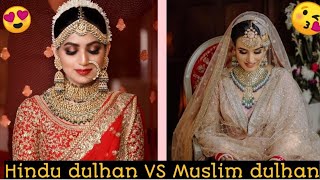
In a wedding, there are essentially two key components of the celebration, known as the wedding ceremony and the walima. Both of these elements are crucial, and it's important to fully appreciate and engage in them. These celebrations, typically hosted by the groom's family, are significant in commemorating and broadcasting the union and should not be underestimated.
walima is the second part of the two-part marriage ceremony
Besides the Nikah, Walima is the second part of the traditional Islamic marriage ceremony. Walima is a celebration of marriage and it is one of the most important events in Islamic culture.
Traditionally, Walima is organized by the groom. He sends invitations to his friends, family and neighbors. He also invites other pious people of the community. Walima is celebrated with a feast of traditional Muslim delicacies.
The groom, usually on horseback, travels to the venue. His family accompanies him. They give gifts to the newlyweds. The groom's mother holds the Quran over the head of the bride. They are also bathed in holy water and smeared with sandalwood paste. They then sit on a throne atop a stage.
Walima can be either a small gathering or a large reception. The size of the reception depends on the groom's financial status. The guests may choose to eat or not.
In some cases, Walima can be a feast of two days. In that case, the invitation should be specific. People should also consider whether or not they are fasting. Some scholars say that not attending Walima is impermissible. Those who do not want to attend can excuse themselves by giving a valid reason.
It is a tradition for the groom to send invitations to friends and relatives of the bride. In addition, he sends invitations to neighbors and relatives of both the bride and the groom. The bride's family also presents gifts to the newlyweds. The bride's family serves them with a feast.
Walima is a Sunnah of the Prophet. It is a great way to publicize the wedding. It is important to make sure that you take care of people from the heart and with earnestness.
It is a celebration given by the groom’s family
During a Muslim wedding function, the groom's family arranges a reception for the bride and groom. The reception is held to celebrate the bond between the two families. A feast is also included in the reception. The bride and groom exchange gifts. The ceremony also includes singing and entertainment. It is considered to be a fun and joyful occasion.
The ceremony is performed by the Maulvi, who recites the Quran's verses to indicate the bride and groom's duties. The Maulvi also asks the bride and groom if they are ready to take a plunge into marriage.
The groom is escorted to the wedding venue by his family and friends. On arrival, he is welcomed by the bride's family. He is also given a gift by his mother.
The ceremony is completed by a ritual called the Manjha. The bride and groom are smeared with a turmeric paste. This is said to give them a natural glow.
The Manjha also involves the exchange of rings. A large number of family members and friends of the bride and groom gather to witness the exchange. The groom is also given a gift by his mother.
After the Manjha, the bride and groom go to their new home. They are greeted with great pomp and show. They are also given a welcome meal by their parents.
In Pakistan, the bride is given away by her parents with the Holy Quran over her head. This is a sign of Allah's blessings. The bride is also adorned with henna or mehndi.
The Hindu marriage ceremony also includes a first look ritual. The bride and groom are separated by a curtain. A tilaka mark is placed on the forehead of the groom.
It should not be neglected as a way to publicize and celebrate a marriage
Unlike other wedding ceremonies, the Muslim wedding rituals are quite different. They are expected to be performed by both the bride and groom.
The first part of the Muslim wedding ceremony is the Nikah. The Nikah is a contract that reaffirms the couple's commitment to each other. The ceremony is usually conducted in a mosque. The decor is usually white and simple.
The second part of the wedding is the reception. The reception is a festive occasion. It is a celebration of the couple's new life together. The reception includes gifts, fun and dancing. It is also the place where the newlyweds sign their marriage contract.
One of the most important Islamic wedding rituals is the Ijab-e-Qubool. It is similar to the Christian "I do" and is a very crucial part of the Muslim wedding ceremony.
The Ijab-e-Qubool is a symbol of the wife's responsibility towards her husband. She is required to wear a veil and cannot look at the body of her husband. It is also recommended that the bride not go overboard.
The Quran describes women and men as equal partners, protectors and equals. It also requires both the partners to uphold justice, enjoin good and forbid evil. The Quran also mentions chastity as a must.
The Ijab-e-Qubool should not be missed as it is the most important ritual of the Muslim wedding ceremony. A male relative can also play the role of the Wali.
Another important part of the Muslim wedding ceremony is the walima. This feast is a celebration of the new couple's future happiness. The walima may be small or grand. It may include a lavish spread and gifts. Celebrities have also been known to participate in this celebration.
It is a family affair
Traditionally, Muslim weddings are a family affair. However, the culture of a specific region may have different customs. It is important to respect religious rules and avoid inappropriate behavior.
Muslim weddings usually last three days. The first two days are the preparations for the wedding. The ceremony is usually a very private affair. The bride and groom are surrounded by friends and family members. There are many symbolic rituals involved in a Muslim wedding. Some of the rituals include:
The bride and groom visit the bride's home and spend time with her family. After that, they leave the house. The bride's father hands over the bride to the groom. During this time, the family pampers her.
The family wards off evil spirits. It is also a time to prepare the bride for her future life as a wife. The groom's family brings her gifts, accessories, and cosmetics. The gifts are meant to show their acceptance of the bride into their family.
The groom and bride are given sherbet. This drink is believed to bring about a sweet marriage. The couple are then showered with gifts and prayers.
The couple then reads prayers and dances. This is the final public declaration of their marriage. Their parents, cousins, and aunts add to the well wishes.
The family gathers for a meal and a celebration. They are treated like royalty. The couple is introduced to their new family and friends. They are also served desserts.
After the meal, the newly married couple bids goodbye to their family. They then head to their new home. They have a chance to look at each other for the first time after their marriage.
It does not serve alcohol
Unless you're planning to wed in the Middle East, you're probably not familiar with the intricacies of a Muslim wedding. Generally speaking, you can expect the bride to wear a traditional formal dress, usually in shades of red and gold. The groom, meanwhile, will sport a traditional Sherwani. And as a rule of thumb, women should wear a modest amount of leg coverings and the like. The groom's side is responsible for paying for the bride's outfit on the valima day. So while you're at it, you may as well ask your spouse to wear the kilt!
For the record, a Muslim wedding does not serve alcohol. Although, the presence of a drink or two is certainly not a bad thing. However, there are some families who will allow non-Muslims to partake in the festivities, without the embarrassment of a non-Muslim drinking buddy. Likewise, there are some families who will forgo the boozy bash altogether. So, if you're planning on tying the knot in the near future, you may want to consider a pre-wedding detox. After all, it's better to be on the right side of the aisle than the left. And while you're at it, you might as well check out the sights. If you're lucky, you might even score a free buffet! Luckily, you'll also be able to check out the sights on your own schedule! If that's not on your list of must-sees, the wedding hotel may be just the ticket. And, who knows, you might even get to snag a roomie before the wedding bells ring. Of course, it's your big day, and you should treat it accordingly!