
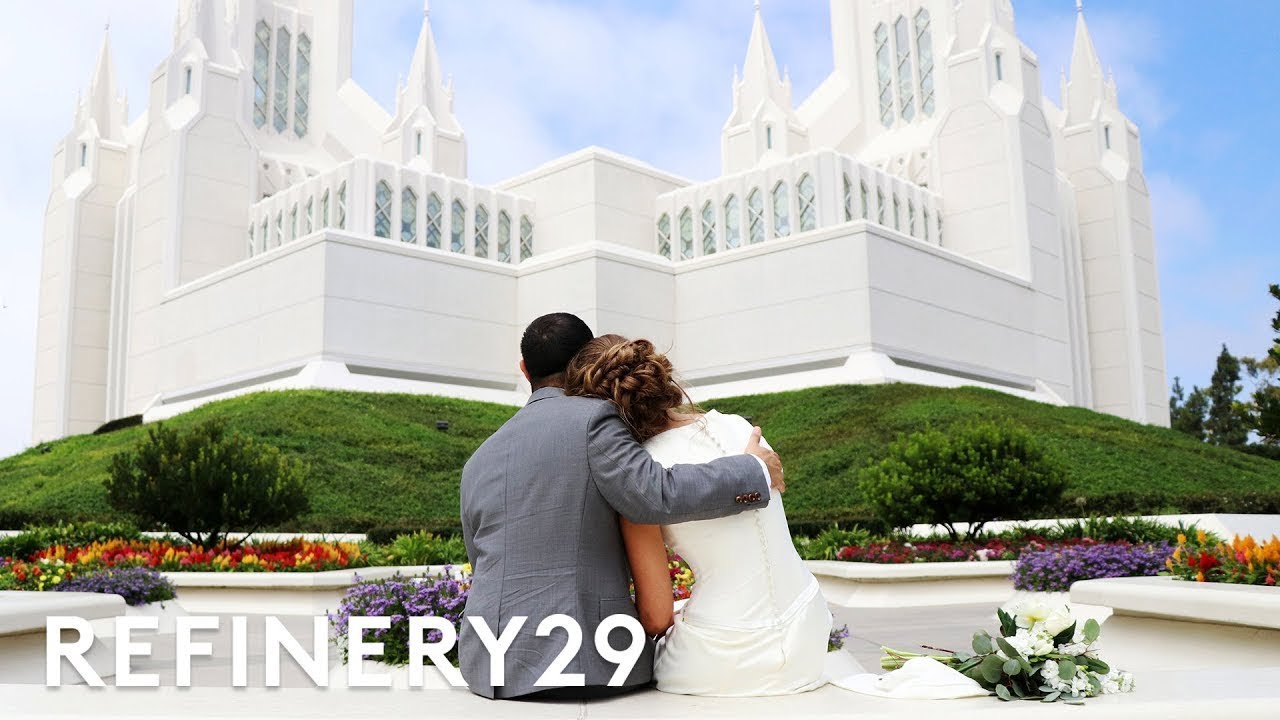
As a member of the Mormon faith, you might be curious about the nature of marriage and the variety of traditions that accompany it. It's essential to understand that Mormon marriages are characterized by Temple sealings, which are critical ceremonies. Typically, these ceremonies are straightforward, lacking in overt emotion, and brief. Yet, they signify a profound milestone for the involved couple. Furthermore, the practice of proxy sealings is also common among Mormons, who extend the opportunity to marry to anyone able to afford the temple fee.
Temple sealings are reverent ordinances
In Mormon wedding customs, temple sealings are highly revered. The sealing ritual consists of a private meeting of the bride and groom, their family, and friends in a special room designated for the ceremony. The officiant welcomes the couple, offers counsel, and fatherly commendations, before blessing the couple and sealing them with a priesthood ordinance. The bride and groom then kneel across an altar to be sealed together.
While sealings are not considered marriages in the common sense, they are sacred divine ordinances. Mormon marriage customs also allow the sealing of ancestors before the marriage takes place. During the ceremony, a temple volunteer acts as a proxy for the deceased. In addition to granting the couple the opportunity to marry, temple sealings also serve as a way to honor deceased family members.
Mormon marriage customs consider temple sealings one of the holiest and sacred ceremonies. In addition to marrying a Mormon, it also binds their families for eternity. This ceremony takes about twenty to thirty minutes and is a fundamental part of the Mormon faith. Not only is this wedding ceremony important for the couple's happiness, but it is also an essential part of the preservation of the family, both for their present and future generations.
While Mormon marriage rituals differ from those in other religions, the ceremony does have some similarities. A temple sealing functions as a civil marriage in the United States. Parents of a converted child wait outside the temple in Salt Lake City until her child is sealed. Even if she misses her temple sealing, parents wait for her to emerge and greet her afterward. Parents who miss the ceremony are expected to wait outside the temple to witness her exit.
They are dry
A Mormon wedding is generally dry, but it can still be quite a celebration. Although there's no alcohol served at Mormon weddings, there is plenty of dancing, awesome music, and love to be shared. The wedding ceremony also typically includes the garter toss. It's also a common part of a Mormon reception, and guests are encouraged to dance the night away. Mormon weddings also include a reception immediately following the ring ceremony.
Although Mormon wedding ceremonies are not open to non-Mormons, the ceremonies are meant to reflect the values of Mormon families. While some may think these customs are strange or weird, they actually have a high rate of success. Mormons who marry in temples report a divorce rate of just six percent. This is significantly lower than the average rate for most Christian religions. So if you're unsure about the rituals of Mormon weddings, they might not be for you.
Many Mormon brides live in large metropolitan areas. These brides may not be able to travel to a temple, so the bride's family and friends pool a modest amount of money for her wedding. Mormon brides should include this protocol in their wedding invitation so that guests know what to expect. Mormon couples may also have designated a gift collector, either a child or a relative. There are many other differences between Mormon wedding customs, but they all share the same core beliefs.
They are un-sentimental
If you want a non-sentimental wedding, consider Mormon wedding traditions. The bride and groom wear traditional church clothes and the priest or priestess gives a short, un-sentimental speech. This priest is called the sealer, and he is given authority by God to "seal" the marriage between the bride and groom. This speech lasts about five minutes and focuses on wishing the couple a happy marriage.
In contrast, many Mormon couples choose civil ceremonies instead of a temple wedding. Civil ceremonies allow the bride and groom's family members and friends to participate in the ceremony. Of course, there are risks involved in civil ceremonies, and some couples opt for the latter over the former. Civil ceremonies are less religious but may result in disapproval. This option is not for everyone. Mormons should consider all options before deciding how to celebrate their marriage.
While the church has drawn negative attention for its stance on gay marriage, the sealing policy is not inherently sentimental. The church does not encourage the exchange of sex, but it does encourage couples to have a family-oriented ceremony. Mormons who choose to wed in a temple have a high rate of success. After all, divorce is common amongst those who do not go through a temple ceremony. Mormons are less likely to divorce than Christians who choose a civil ceremony.
They are short
One of the most difficult aspects of Mormon wedding customs for women is choosing the right outfit. Mormon women should always wear dresses that are ankle-length or longer. No short or knee-length skirts or dresses. Even if you have a dress you like, make sure it meets the required length. Men should wear dress shoes or loafers. Women can wear high heels, but should stick to simple colored pumps. No sandals or open-toed shoes are acceptable.
Mormon brides and grooms are married in a temple. Non-Mormons cannot attend the sealing ceremony. The actual wedding ceremony takes place in the House of the Lord. Guests should wear conservative clothing and speak quietly to avoid disrupting others. Mormon brides wear modest wedding dresses to avoid distraction. Mormon wedding customs include a sealer speech and a ceremony that lasts only five minutes. Mormon priests make short speeches about the importance of a happy marriage.
Another important Mormon wedding custom involves sealing. Joseph Smith established this practice in the early days of the church. This special ceremony binds the couple in heaven and makes the marriage covenant eternal. Many Mormons believe sealing is essential to their salvation and perform it for themselves or proxy sealings for dead ancestors. Mormons believe sealing is important to their salvation and are very strict about this. In addition to sealing the couple, the sealing binds their ancestors.
They involve a ring ceremony
While some religions require additional vows, Mormons believe that the ring ceremony is one of the most important parts of the marriage ceremony. The ceremony is typically between 10 and 20 minutes long, and begins with an opening prayer and is often performed by the bride's or groom's best men. A bishop will discuss the sealing ceremony, while a father or relative may read scriptures regarding marriage. A ring ceremony can be combined with the reception, or it may stand alone.
Many Latter-day Saints outside the state had a civil ceremony prior to their temple marriages. Spencer W. Kimball and Camilla Eyring were married civilly in Arizona in 1917, and then traveled to St. George, Utah, to have their temple wedding. In April 2011, Mitt and Ann Romney exchanged rings in a civil ceremony, at Ann Romney's parents' home, and traveled to Utah the next day to be sealed in the Salt Lake Temple. After a civil wedding, Utah instituted a one-year waiting period for couples to seek temple sealing. With so many temples throughout the Mormon corridor, it is not difficult to find a temple in Utah.
Unlike many other religions, Mormons do not allow non-Mormons to attend their wedding. The ceremony involves exchanging rings and vows before the wedding ceremony begins. Non-Mormons may attend, but they cannot participate in the actual ceremony. The ring ceremony is a traditional wedding ceremony with the same elements. The bride and groom's bridesmaids and groomsmen walk down the aisle and exchange rings, before sharing their first kiss.
They have a reception
The traditional Mormon wedding ceremony is attended by both the bride and the groom's family members and friends. The bride typically wears her traditional white wedding dress at the reception. The guest list for a Mormon wedding is usually long, including members of the bride's large extended family and local congregations. Guests are then funneled into a line to drop off gifts and congratulate the newlyweds. Mormon weddings are expensive affairs, with the newlyweds departing immediately after the reception.
Mormon weddings are generally held the evening before the temple ceremony. The wedding ceremony lasts about two hours, and the reception follows. Guests are welcome to stay for the second, less formal, reception, and mingle with the newlyweds. The LDS wedding ceremony is a traditional wedding in many ways. In addition to the bride and groom's families, friends, and relatives, the newlyweds and their guests are usually invited to the reception.
Although Mormon marriages do not involve a temple ceremony, non-Mormons can attend. In fact, some Mormon couples choose to hold a civil ceremony before the temple ceremony, which allows them to invite friends and family and practice traditional American wedding customs. After the ceremony, the newlyweds celebrate with a wedding reception and the guests may discuss the details of the marriage, but Mormons are advised not to discuss the wedding with non-Mormons until afterward.